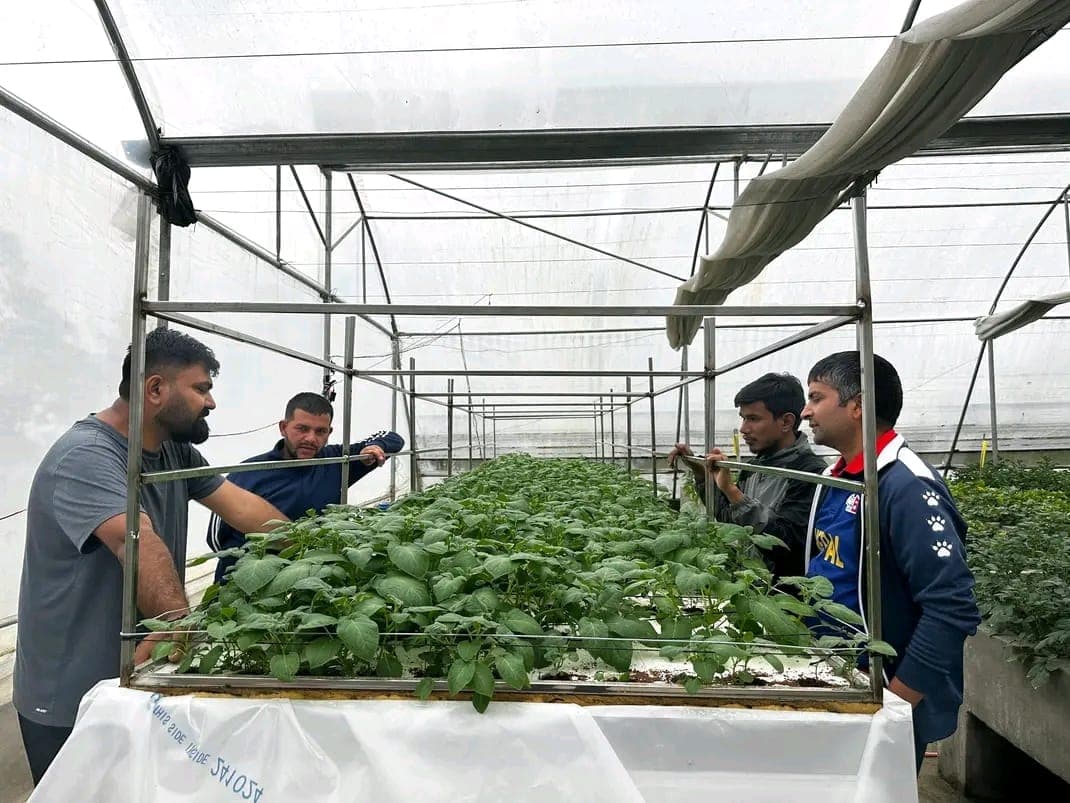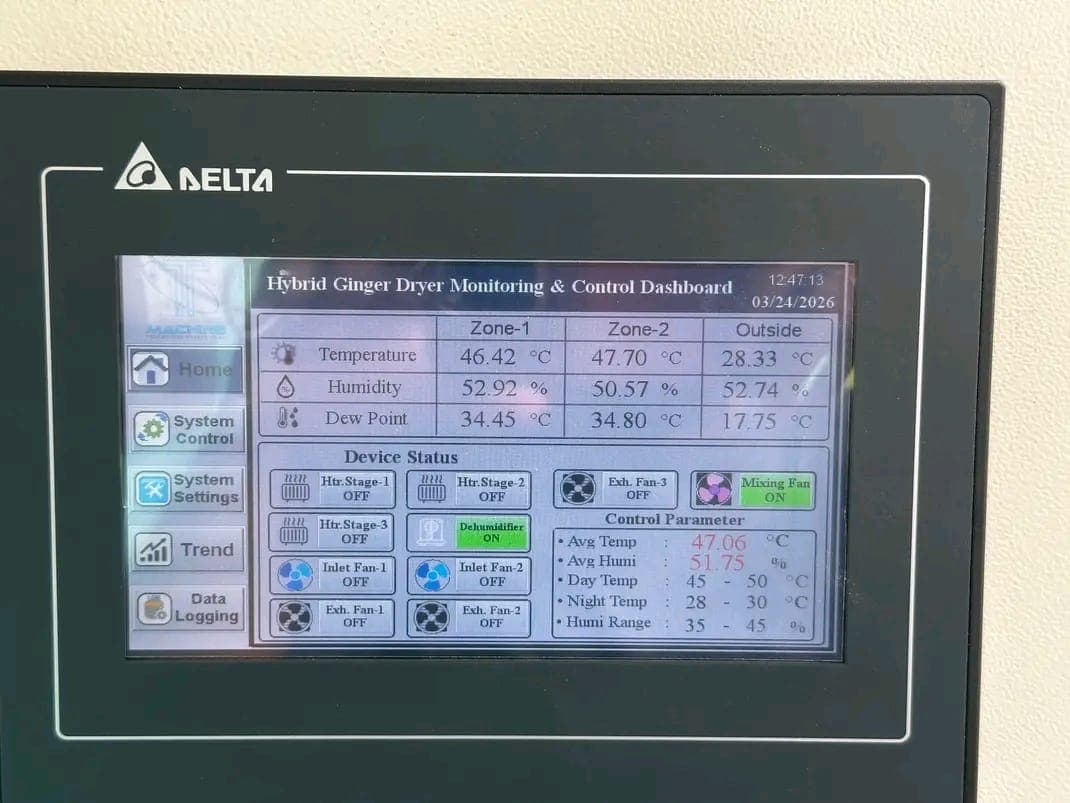
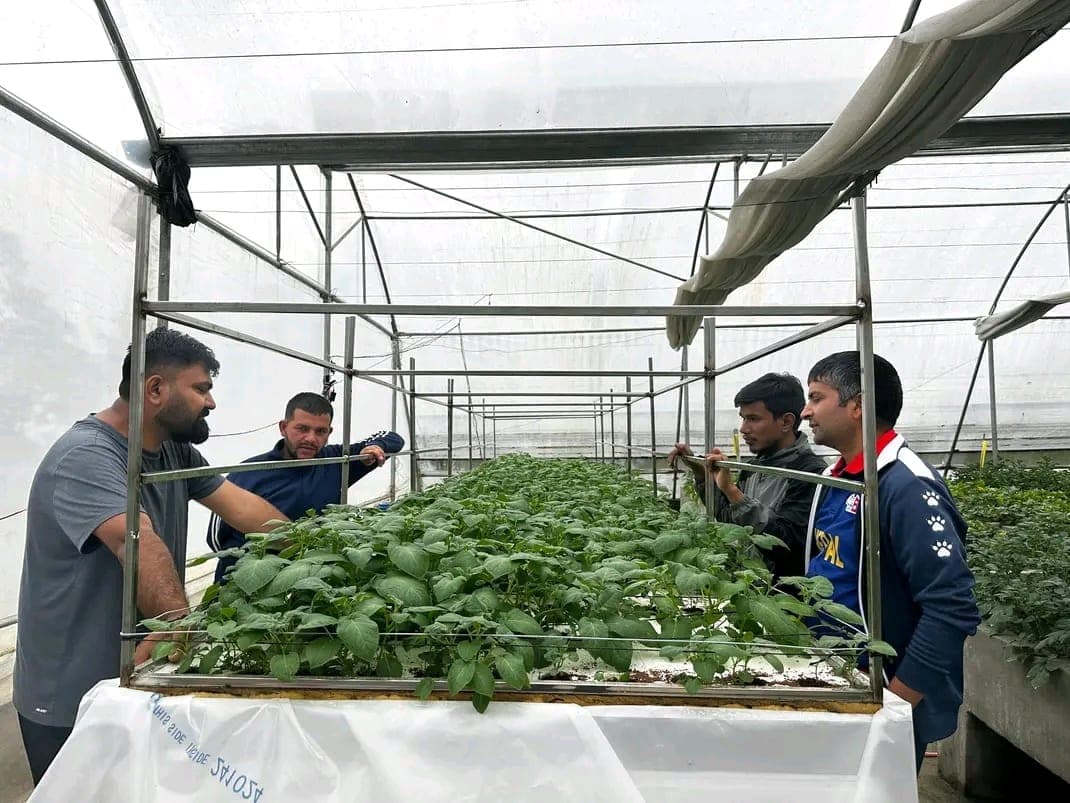
This project introduces a fully integrated, intelligent greenhouse management system designed to empower large-scale agricultural operations. Built on a robust Internet of Things framework, the system delivers seamless real-time monitoring and fully automated control over irrigation, fertigation, and climate conditions across a network of more than one hundred individual farms.
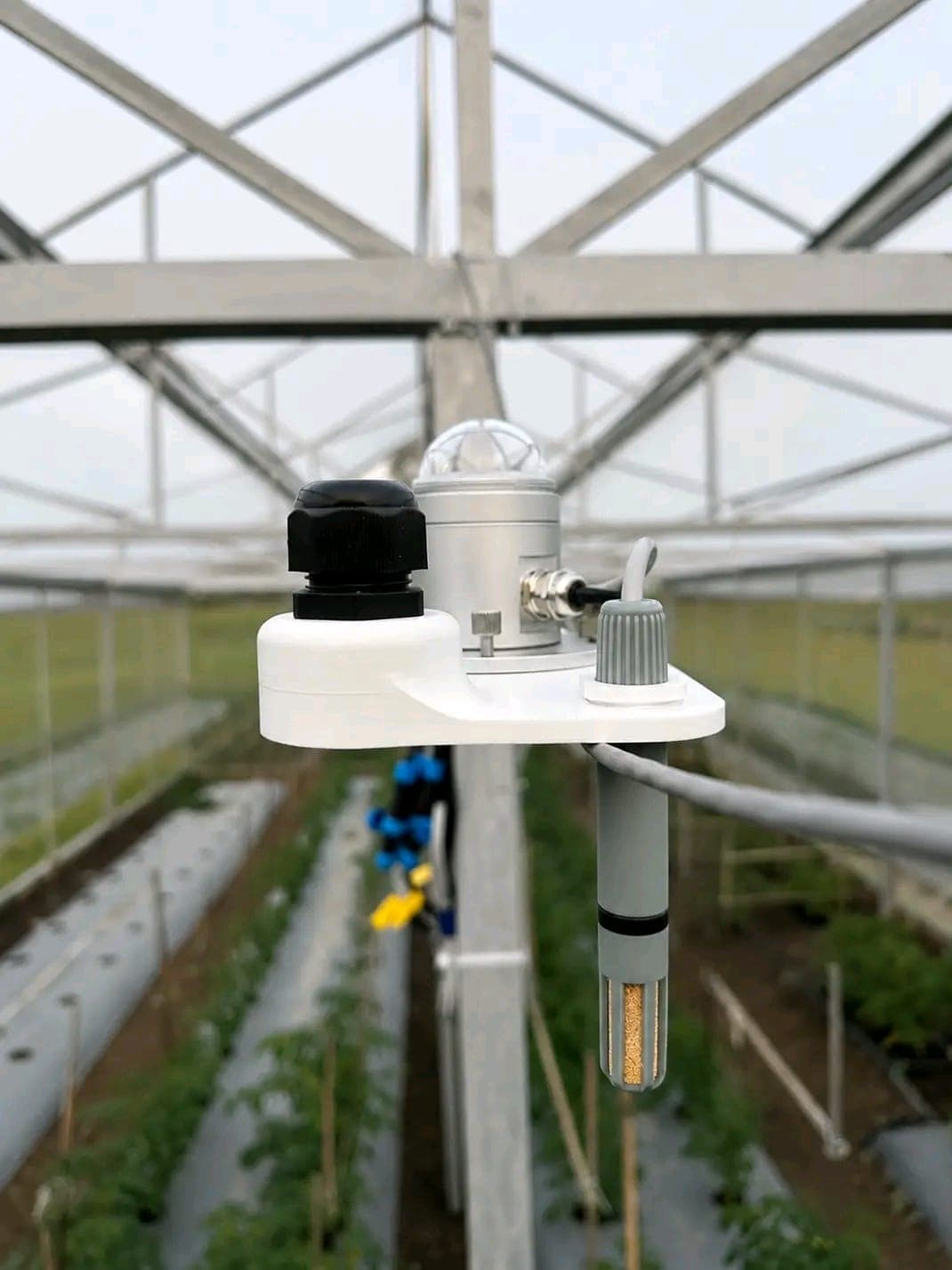
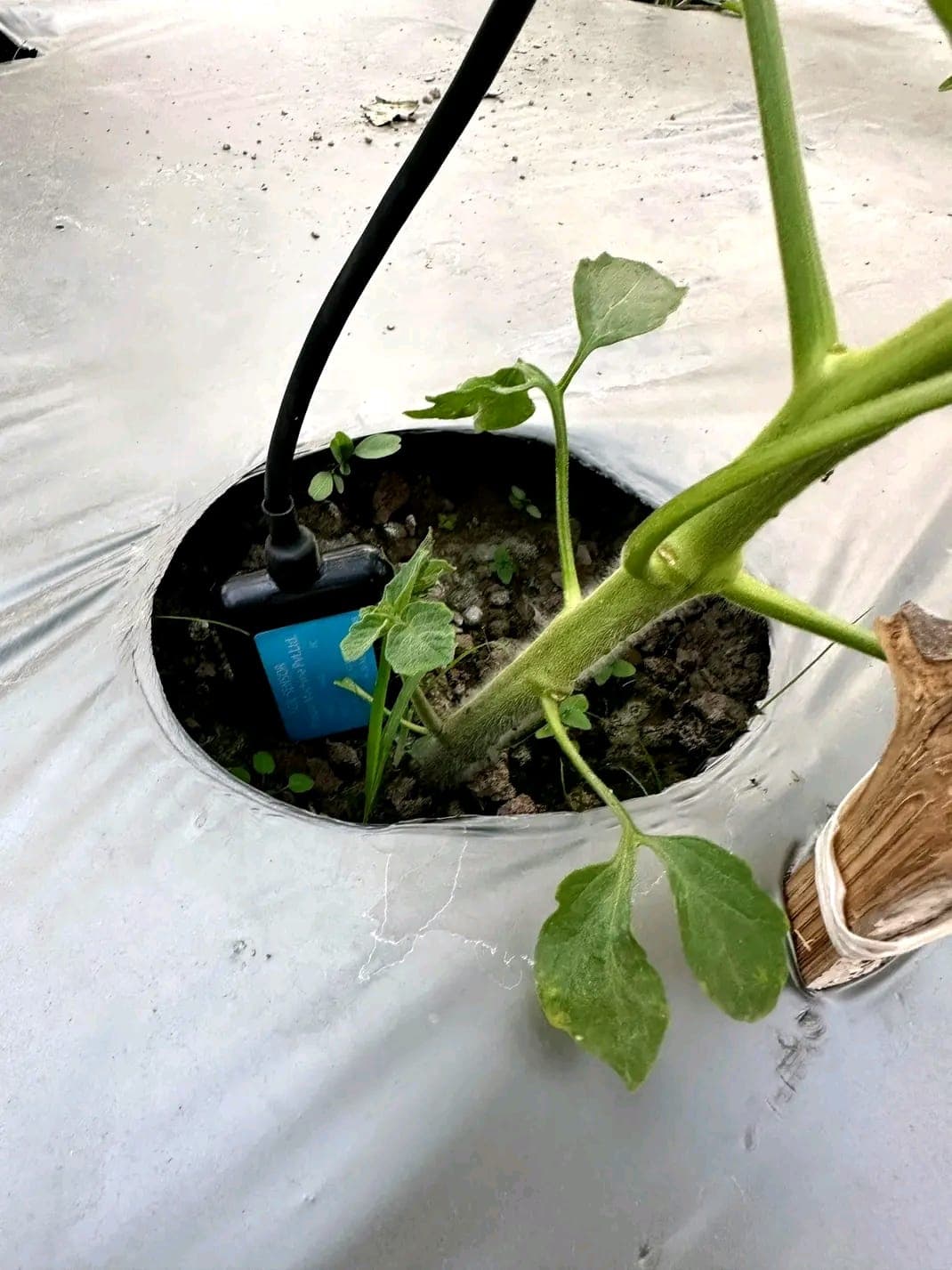
At the heart of the system lies a dense mesh of advanced environmental and soil sensors placed throughout each greenhouse. These sensors continuously track temperature, humidity, light intensity, carbon dioxide levels, and soil moisture, while specialized NPK sensors provide live readings of nitrogen, phosphorus, and potassium concentrations directly in the root zone. This rich stream of data flows constantly to a centralized cloud platform, giving farm managers a unified, real-time view of every connected site from any device, anywhere in the world.
The platform never sleeps. Around the clock, it monitors every parameter and instantly flags any deviation from optimal growing conditions. Smart alerting mechanisms notify managers through mobile applications, SMS, or dashboard notifications the moment something requires attention — whether it's a sudden temperature spike, dropping soil moisture, or an imbalance in nutrient levels. This early warning system helps prevent crop stress and loss before issues escalate.
What truly sets this system apart is its intelligence. With over four years of historical farm data stored and analyzed, the platform does far more than simply display current conditions. Machine learning models study past patterns to predict future needs. The system learns how each greenhouse responds to different interventions and uses that knowledge to make proactive decisions. It anticipates irrigation demand based on weather forecasts and crop growth stages, adjusts fertigation schedules to match real-time nutrient uptake, and fine-tunes ventilation, heating, and shading to maintain the perfect microclimate without human intervention.
Irrigation becomes a precise science. Instead of following rigid timers, the system waters each zone only when and where it is truly needed, based on live soil moisture data and predictive models. This approach significantly cuts water usage while ensuring plants never suffer from drought or waterlogging. Fertigation follows the same intelligent logic — nutrients are delivered in exact proportions, at the exact times, matching the crop's changing needs throughout its lifecycle. Climate control systems work in harmony, automatically opening vents, activating fans, or adjusting shade cloths to keep temperature and humidity within ideal bands, reducing disease pressure and promoting vigorous, uniform growth.
Managing over a hundred farms from a single dashboard is made effortless through a clean, intuitive interface. The platform organizes data by farm, zone, crop type, and growth cycle, allowing managers to drill down into granular detail or zoom out for a high-level performance overview. Role-based access ensures that field staff, agronomists, and executives see only what they need, while all decisions and system actions are logged for full traceability.
The benefits are tangible and far-reaching. Farm productivity increases as crops enjoy consistently optimal conditions, while resource consumption — water, fertilizers, and energy — drops significantly. Labor costs shrink as routine tasks become fully automated, freeing skilled workers to focus on higher-value activities like crop planning and quality improvement. Perhaps most importantly, the system turns years of accumulated data into a strategic asset, giving farm owners the confidence to make long-term decisions based on evidence rather than instinct.
Sustainability is woven into every layer of the design. By drastically reducing water and chemical runoff, improving energy efficiency, and minimizing waste, the system helps farms meet environmental regulations and consumer expectations for responsibly grown produce. It is not just a tool for higher yields — it is a commitment to smarter, cleaner, and more resilient agriculture for the future.