This project establishes a comprehensive, hands-on industrial automation training lab designed to equip students with the practical skills and confidence needed to thrive in modern manufacturing and process industries. By placing real industrial hardware and professional-grade software directly into the hands of learners, this lab bridges the critical gap between theoretical classroom knowledge and the real-world demands of automation engineering.
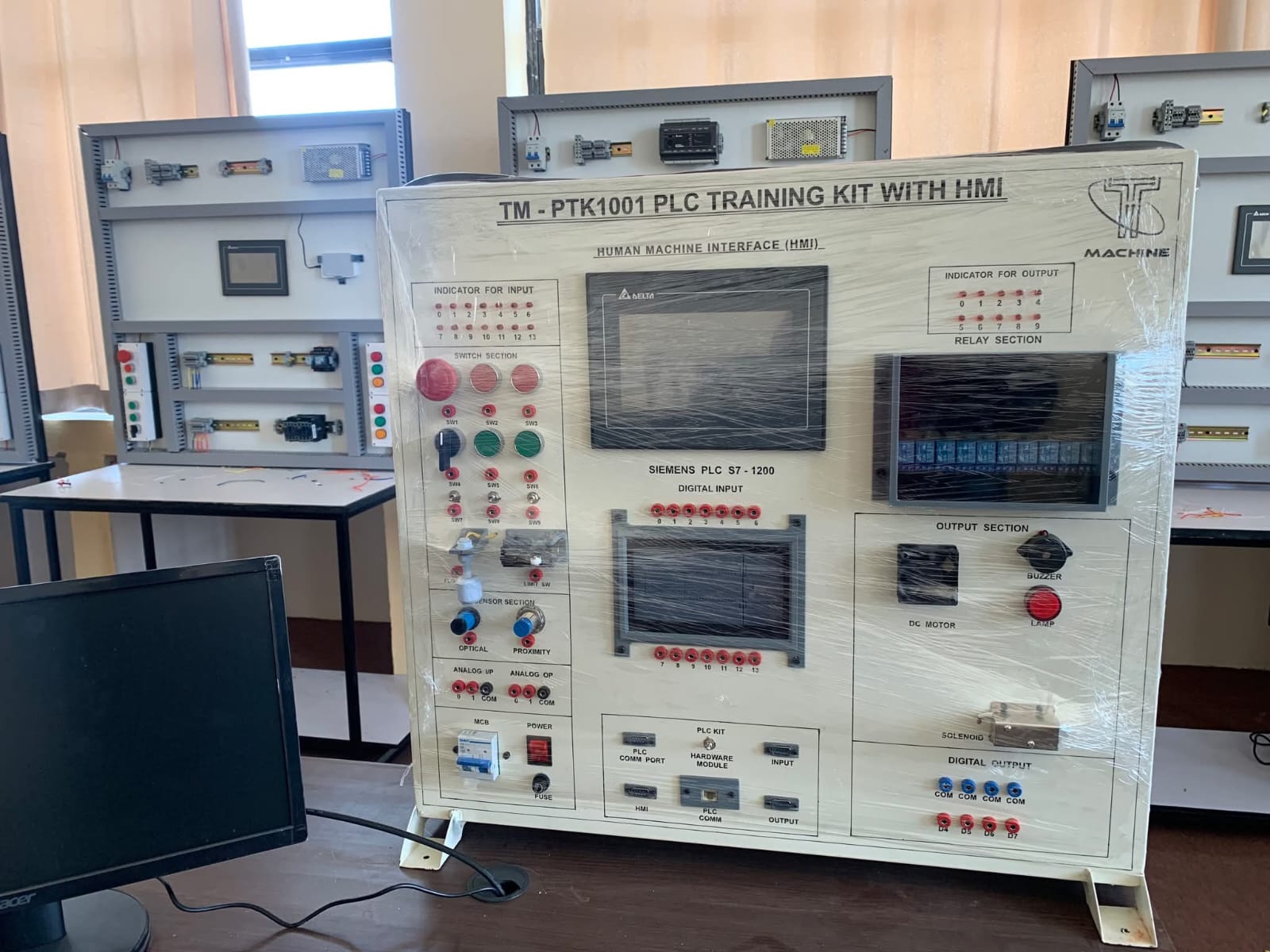
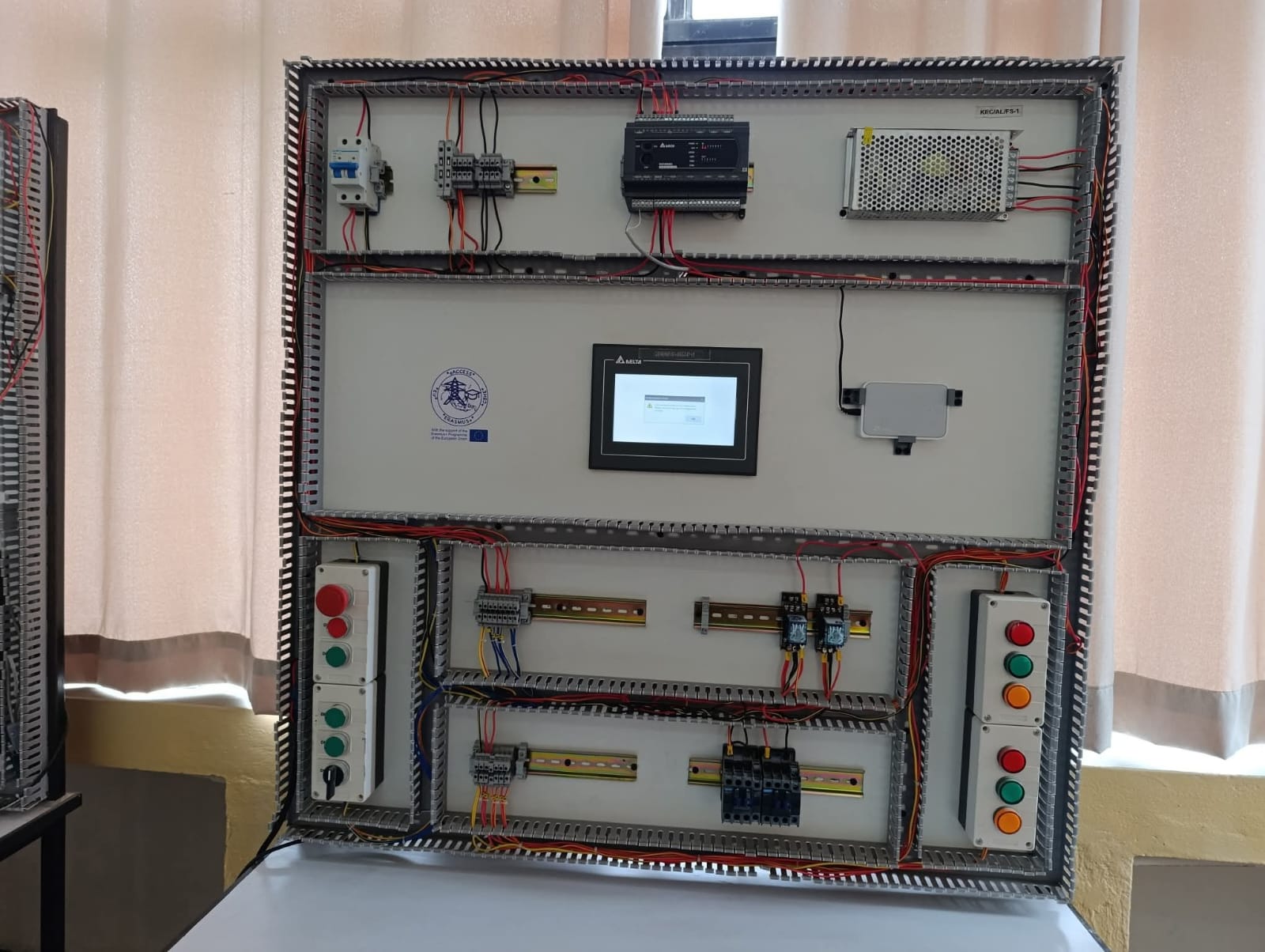
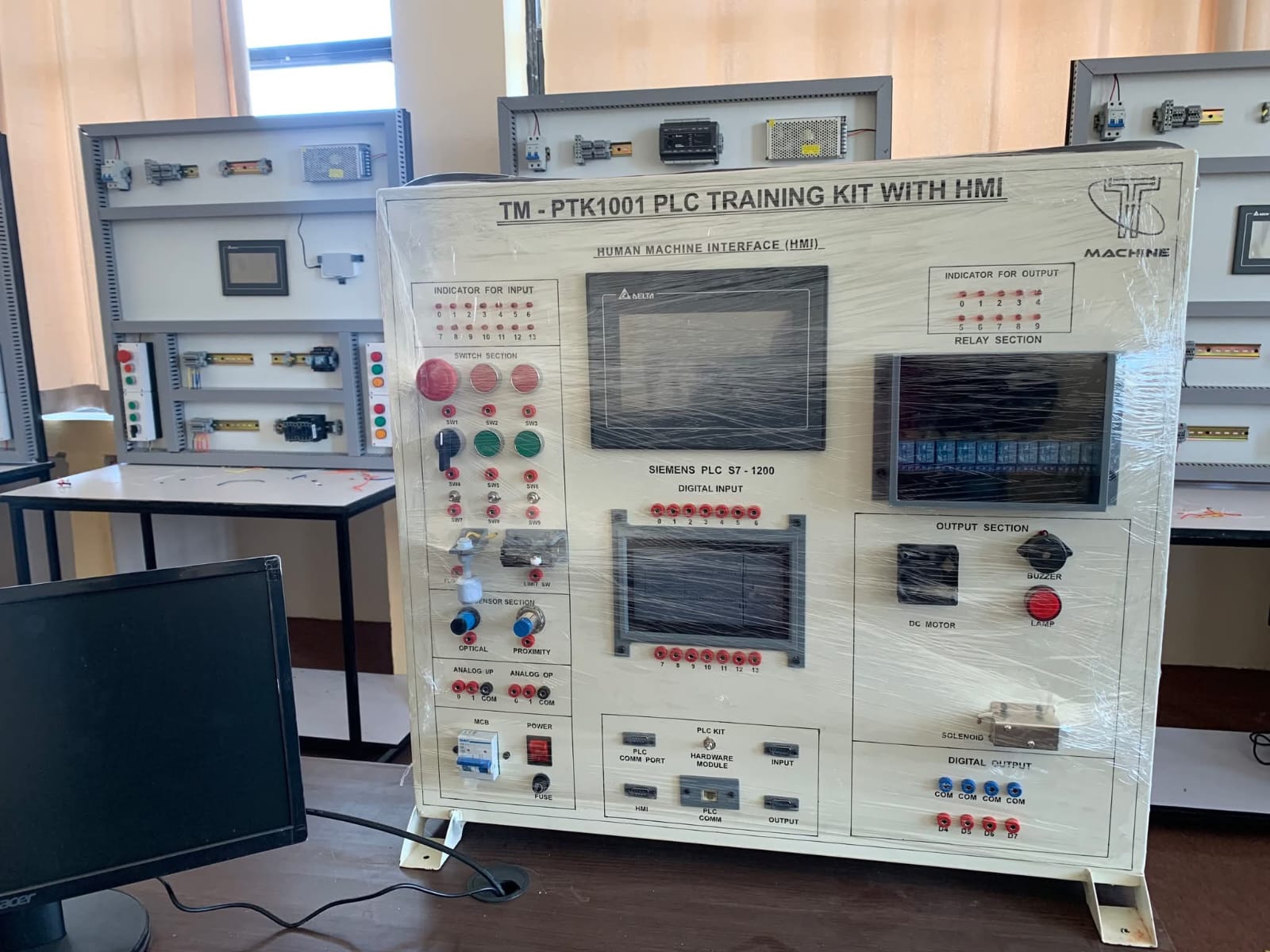
At the heart of the training experience are industry-standard programmable logic controllers from two of the most widely used platforms in the field. Students work directly with powerful, reliable PLCs that are found in factories and production facilities around the world. Complementing these controllers are integrated human-machine interface panels that allow students to design and implement operator screens, giving them a complete view of how industrial systems are monitored and controlled from the factory floor.
The programming environment mirrors what students will encounter in their professional careers. Training is conducted using leading software suites that are the industry benchmark for automation engineering. Students learn to write, test, and debug ladder logic, structured text, and function block diagrams — the fundamental languages of industrial control. They become proficient in configuring hardware, setting up communication parameters, and developing structured, maintainable programs that can handle complex control tasks.
What makes this lab truly effective is its use of modular trainer kits that replicate real industrial processes. Each training station is equipped with a rich array of components including sensors, motors, relays, push buttons, indicator lamps, and simulated process elements. These components are arranged to mimic actual production line scenarios, from conveyor belt control and sorting operations to tank level management and temperature regulation. Students can see the physical results of their programming decisions — motors starting and stopping, lights flashing, sensors responding — providing immediate, tangible feedback that reinforces learning.
The training extends beyond individual programming to encompass industrial communication and networking, a critical skill in today's connected factories. The lab supports multiple industry-standard communication protocols, enabling students to configure and troubleshoot networks that mirror real production environments. They learn how to establish high-speed data exchange between controllers and supervisory systems, implement serial communication for legacy equipment, and set up robust fieldbus networks for distributed control. This exposure to diverse communication standards ensures that graduates are prepared for the varied connectivity challenges they will face in different industrial settings.
The lab environment is designed to be both educational and practical. Students progress from fundamental programming exercises to increasingly complex projects that integrate multiple skills. They learn to design complete control systems, develop human-machine interfaces, implement safety logic, and diagnose faults systematically. Team-based projects encourage collaboration and mimic the multidisciplinary nature of real automation projects, where electrical, mechanical, and software engineering skills must come together.
The benefits of this training approach are profound. Students emerge not just with theoretical knowledge, but with the muscle memory and problem-solving instincts that come from hands-on experience. They understand how to translate control requirements into working programs, how to troubleshoot hardware issues, and how to optimize system performance. This practical competence makes them highly attractive to employers who are tired of training new graduates from scratch. Companies gain employees who can contribute from day one, reducing ramp-up time and increasing productivity.
For educational institutions, this lab represents a significant investment in student success and institutional reputation. It demonstrates a commitment to providing industry-relevant education that prepares students for meaningful careers. It also strengthens partnerships with local industries, creating pathways for internships, apprenticeships, and job placements that benefit both students and employers.
In essence, this industrial automation training lab is more than a collection of equipment — it is a launchpad for careers. It transforms students into competent, confident automation professionals who understand not just the theory of control systems, but the practical realities of making them work. It equips the next generation of engineers and technicians with the skills to design, implement, and maintain the automated systems that power modern industry, ensuring that they are ready to meet the challenges of an increasingly automated world.